WHAT IS AN MRI OR MRA?
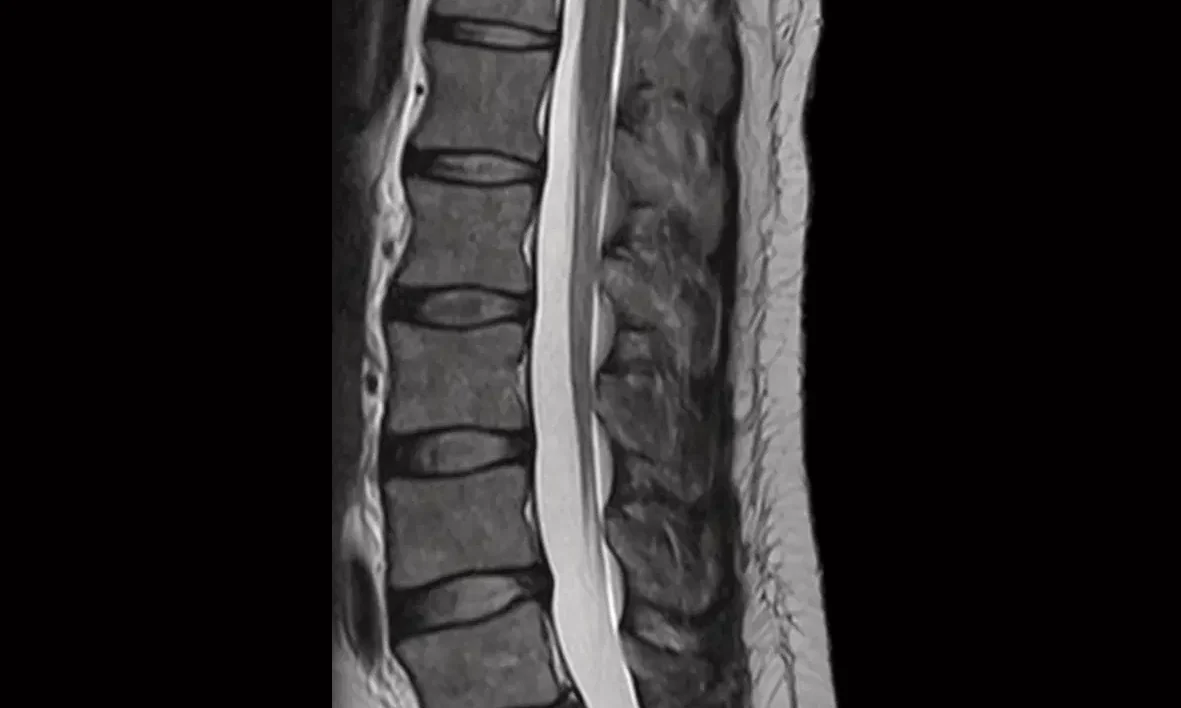
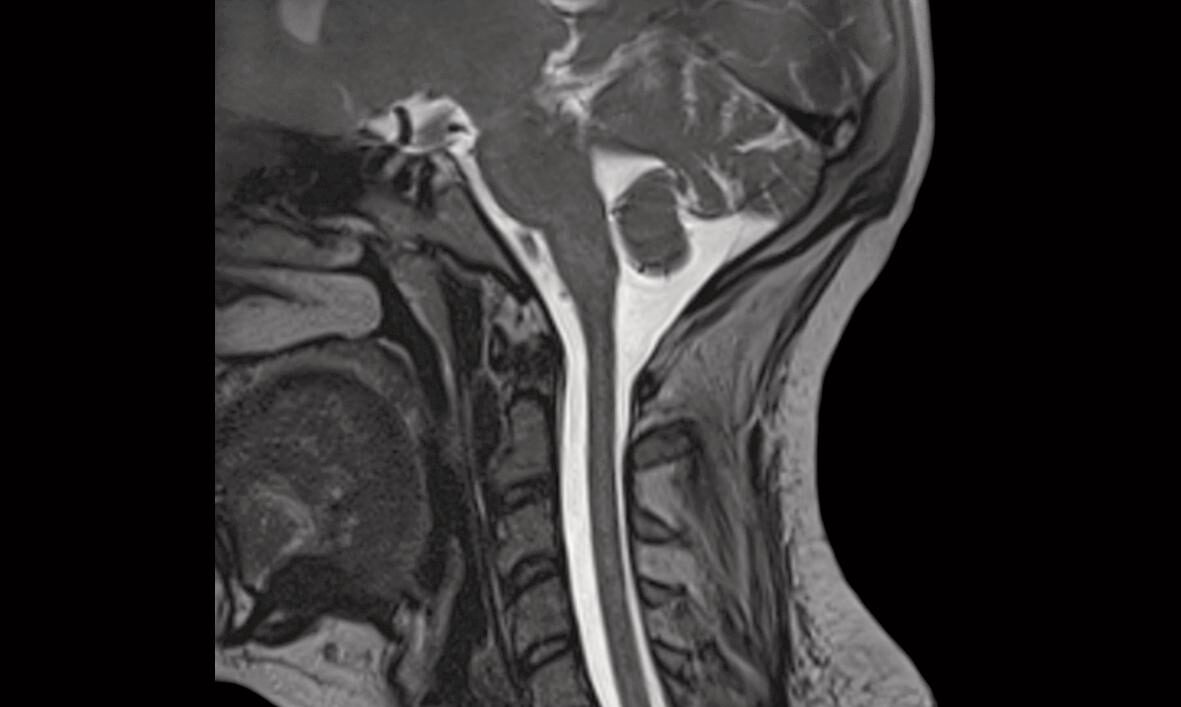
An MRI (magnetic resonance imaging) scan is a medical imaging procedure that generates detailed pictures of organs, bones, and tissues.
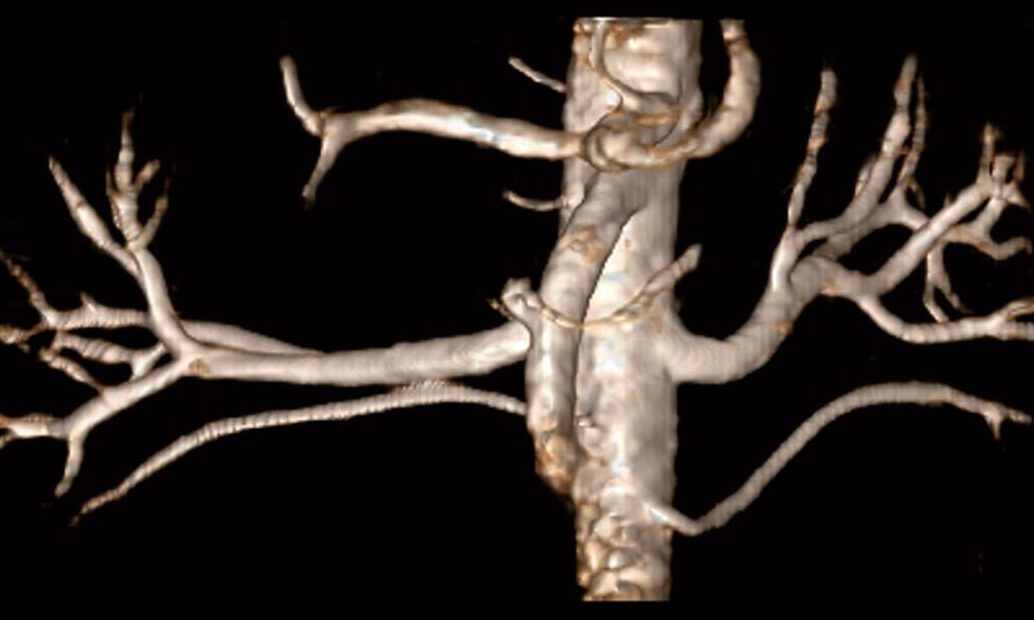
An MRA (magnetic resonance angiography) is a type of MRI that can provide images of the more than 100,000 miles of blood vessels in the human body. Both procedures provide doctors a way to visualize soft tissues and fluids to help diagnose a wide range of medical conditions, from muscle tears to tumors. They are painless and non-invasive. Request An Appointment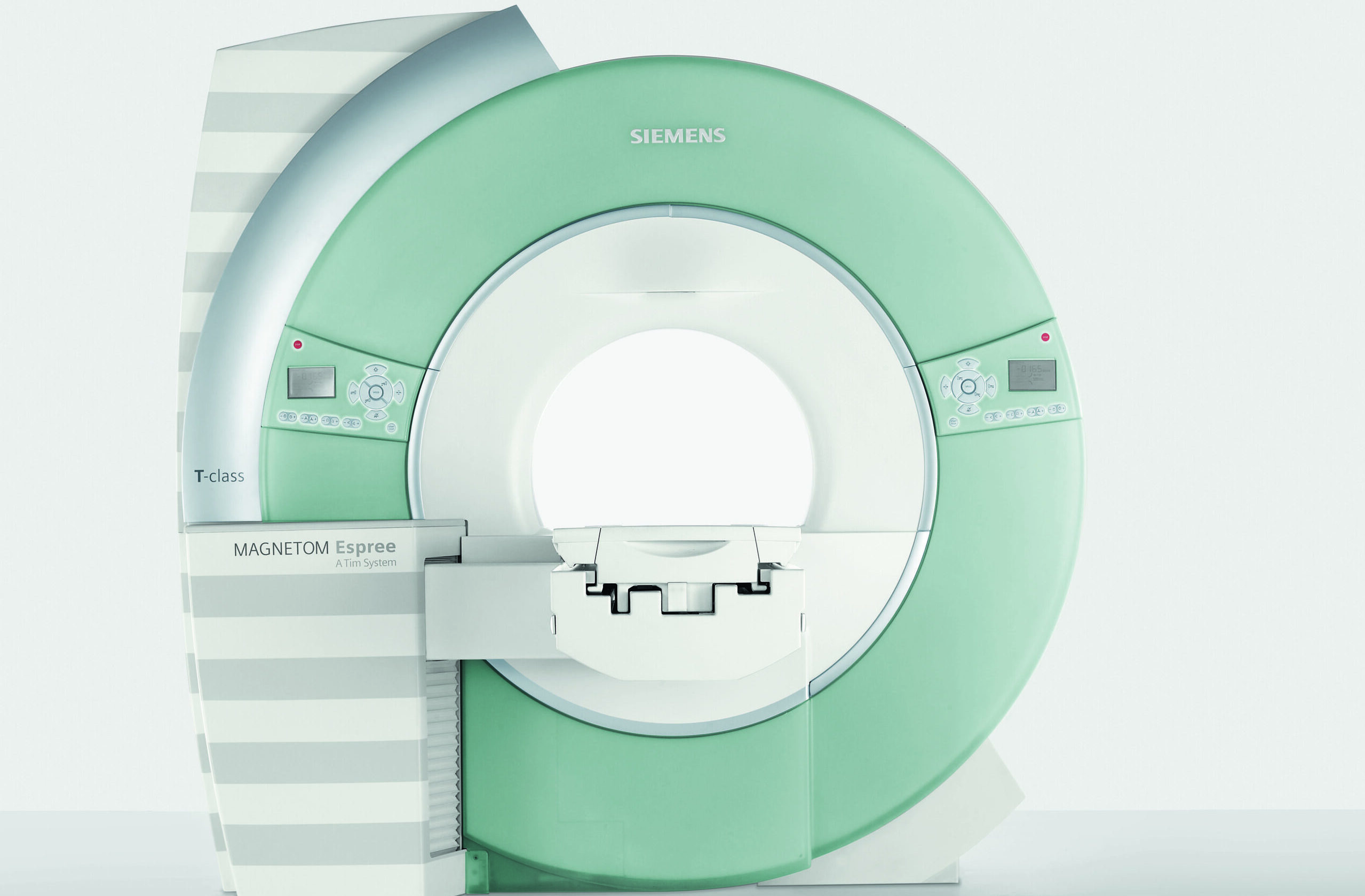
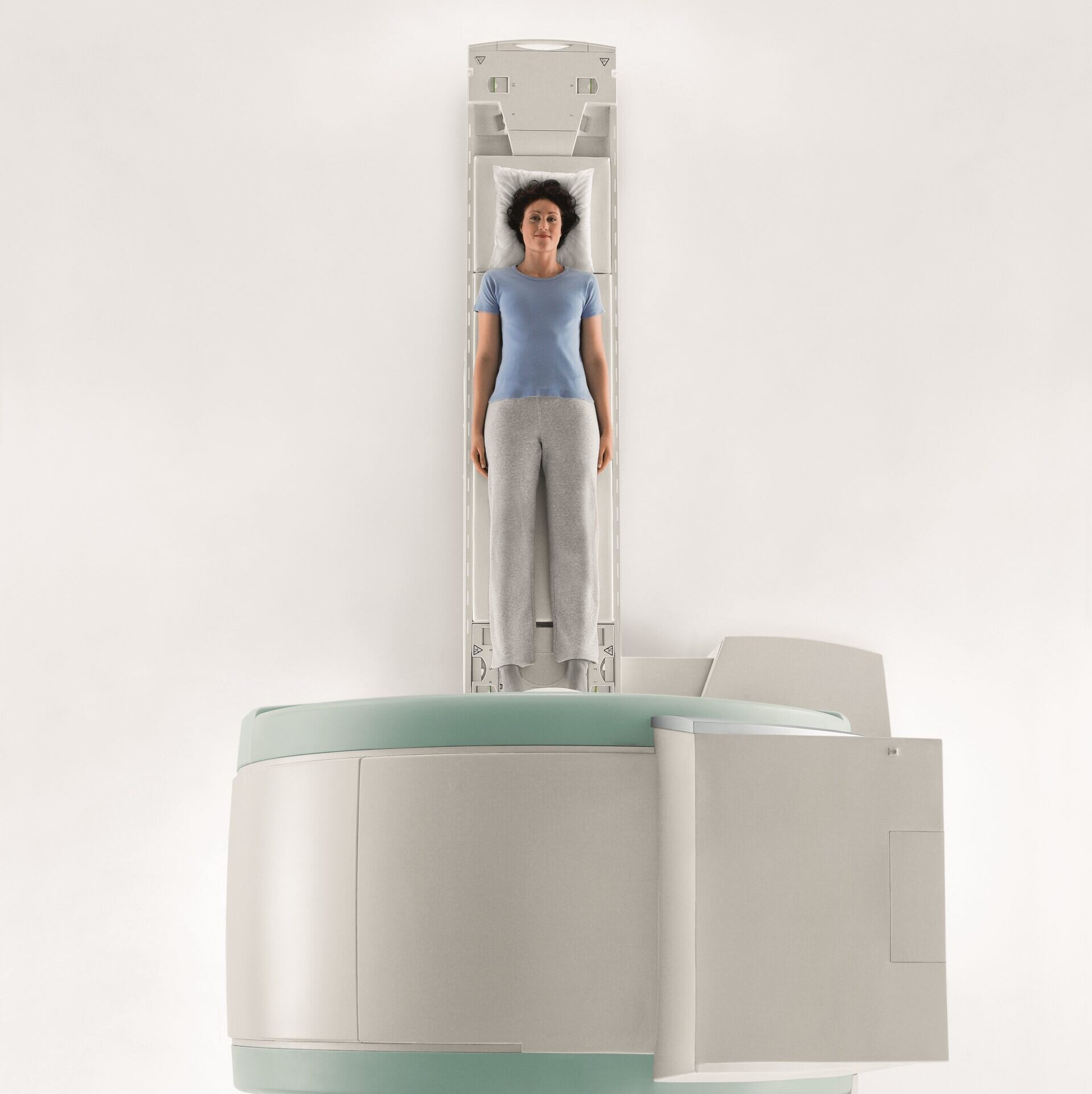
WHOLE BODY SCANNING
Table weight limit: 550 Lbs.
MRI Exams
Brain / Pituitary / IACs / Orbits / DTI / Abdomen / Pelvis / Face / Soft Tissue / Breast / Prostate / C-Spine / T-Spine / L- Spine / All Extremities / Whole Body MRI Whole Spine MRI (includes C, T, L-Spine)
MRA Exams
Brain / Abdominal Aorta / Carotids / Bilateral Peripheral Angiography
MRI A Wide OPEN BoreMRI
“MAGNETOM” Open Bore MRI
Quality, Accuracy, and Comfort High power: MAGNETOM Espree delivers 1.5T quality images so that patients can rest easy inside, and you
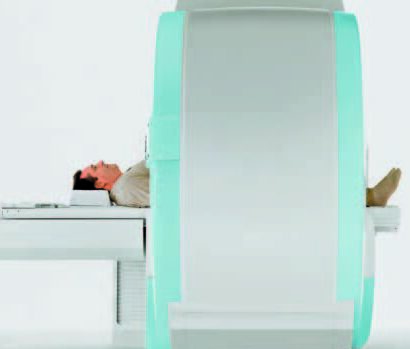
can rest easy with a confident diagnosis. The Open Bore accommodates patients of all sizes, including obese, elderly, and pediatric patients. Perfect for those who get anxious or claustrophobic during an MRI. One foot of spacious headroom: patients won’t feel nose-to-nose with the magnet’s top. Due to its short design, 60% of exams can be done with the patient’s head outside of the system.
MAGNETIC RESONANCE ANGIOGRAPHY (MRA)
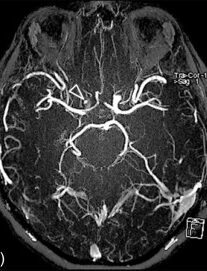
MR angiography (MRA) is a non-invasive procedure that uses a powerful magnetic field, radio waves, and a computer to assess blood vessels and identify abnormalities. This exam does not use radiation and may require an injection of contrast material. The contrast material used for MRA is less likely to cause an allergic reaction than that used for computed tomography (CT).
Get an MRI/MRA at Optimum Imaging TODAY!
MRI/MRA Frequently Asked Questions
What Happens During an MRI/MRA?
MRI/MRA scans are painless and noninvasive. In some cases, your doctor may request imaging with contrast dye to enhance the visibility of various structuresin the final MRI/MRA images.
To position you for the scan, your Optimum Medical Imaging technologist will ask you to lie on a table that will slide into a cylinder-shaped tube surrounded by a powerful, circular magnet. The length of this imaging test varies, depending on the area of the body being scanned, whether contrast is used and the type of MRI/MRA machine.How should I prepare for an MRI/MRA?
Pay careful attention to any guidelines your doctor or the staff at Optimum Medical Imaging provides, including specific details about whether you can eat and drink in the hours before an MRI/MRA. Wear comfortable, loose clothing that does not contain metal snaps, buttons, or zippers.
Leave jewelry and other metal accessories at home””and remove other items that may contain metal, including hearing aids, dentures and glasses, before the scan begins. Tell your Optimum Medical Imaging technologist about any metal implants or devices in your body.Is an MRI/MRA Safe?
MRI/MRA scans are safe and do not expose you to radiation. However, the MRI/MRA machine emits a powerful magnetic field, so anyone with an implant, such as a pacemaker, vagus nerve stimulator, insulin pump, cochlear implant, or deep brain stimulator, should speak with their doctor before undergoing an MRI/MRA. In some cases, these implanted devices are incompatible with MRI/MRA, and an alternative imaging scan may be a better option.
Is an MRI/MRA Dangerous?
While an MRI/MRA is generally safe, it’s important to note that it uses a powerful magnetic field and not radiation. Individuals with specific medical devices, such as pacemakers, cochlear implants, and other metal implants, may face potential risks associated with these devices. However, specialized MRI/MRA machines are available to accommodate these cases. Your MRI/MRA technician will play a crucial role in ensuring your safety, as they will conduct a thorough questionnaire before your exam.
Can I move during an MRI?
Your technologist will encourage you to remain as still as possible during the scan. This will improve image clarity and prevent the need to redo the scan.
Will it hurt?
No, the MRI/MRA is non-invasive and painless.
Choose accurate imaging and convenient service with Optimum Imaging
At Optimum Imaging Center, we understand the importance of accurate and timely diagnostic imaging in your healthcare journey. When you choose us, you are choosing excellence in patient care, cutting-edge technology, and a commitment to your well-being.
Trust us with your imaging needs, and experience the difference firsthand. Your health is our priority, and we’re here to serve you.